
The search of improved efficiency and performance in the constantly changing field of heat exchange technology continues to be a primary issue for many industrial sectors. The novel integration of shell and tube heat exchangers with trapezoidal baffles and nanofluids represents a major breakthrough in this endeavor. The goal of this seminar is to give a thorough grasp of the concepts, applications, and possible advantages of this cutting-edge technology through an in-depth investigation of it. For a long time, shell and tube heat exchangers have been essential in many different industries because they allow heat to be transferred between two fluids while keeping them apart. Their adaptable architecture allows for a wide range of applications. But the pursuit of more effective heat transmission and reduced energy use has resulted in the addition of trapezoidal baffles, which drastically affect the fluid dynamics inside the heat exchanger. Because they produce turbulence and improve heat transfer, trapezoidal baffles are a desirable option for applications where efficiency is crucial. Conversely, a new class of heat transfer fluids designed with nanoparticles are called nanofluids. These nanoparticles can be suspended in a base fluid; they are usually nanoscale particles. When applied to heat exchangers, nanofluids provide special thermal characteristics and the possibility of significantly enhancing heat transmission. When compared to conventional heat transfer fluids, nanofluids can provide better performance by increasing the thermal conductivity and convective heat transfer coefficients.
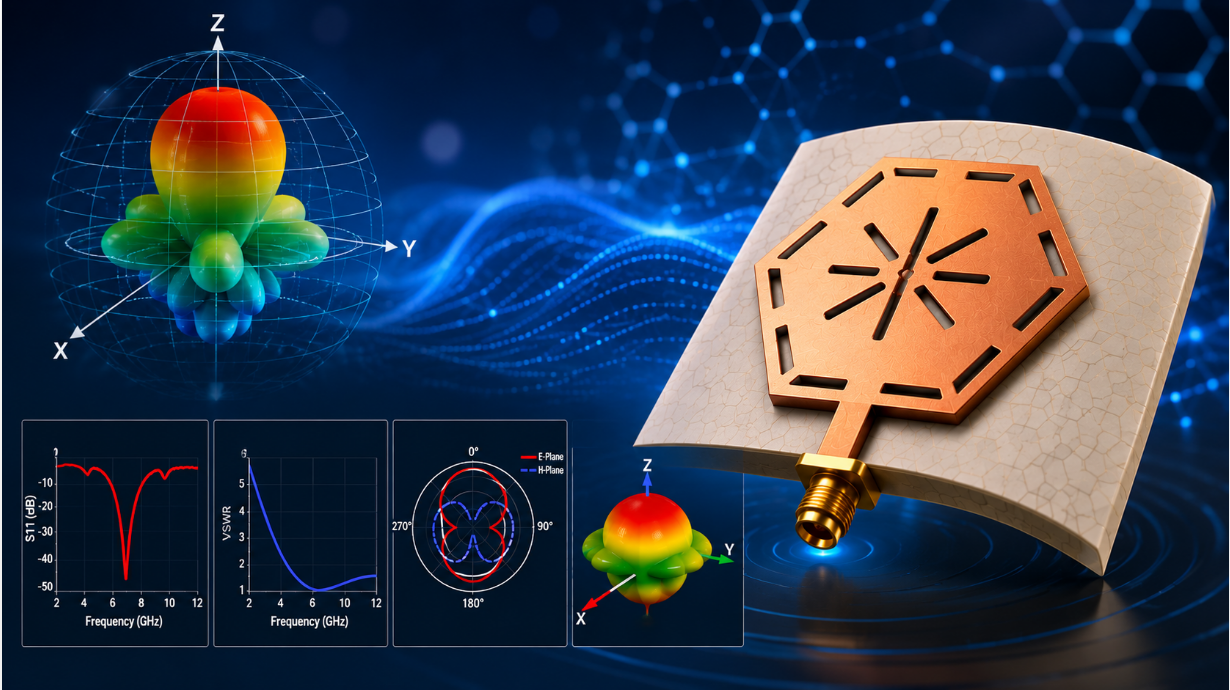
This paper presents the design and performance analysis of a hexagon-shaped microstrip patch antenna...
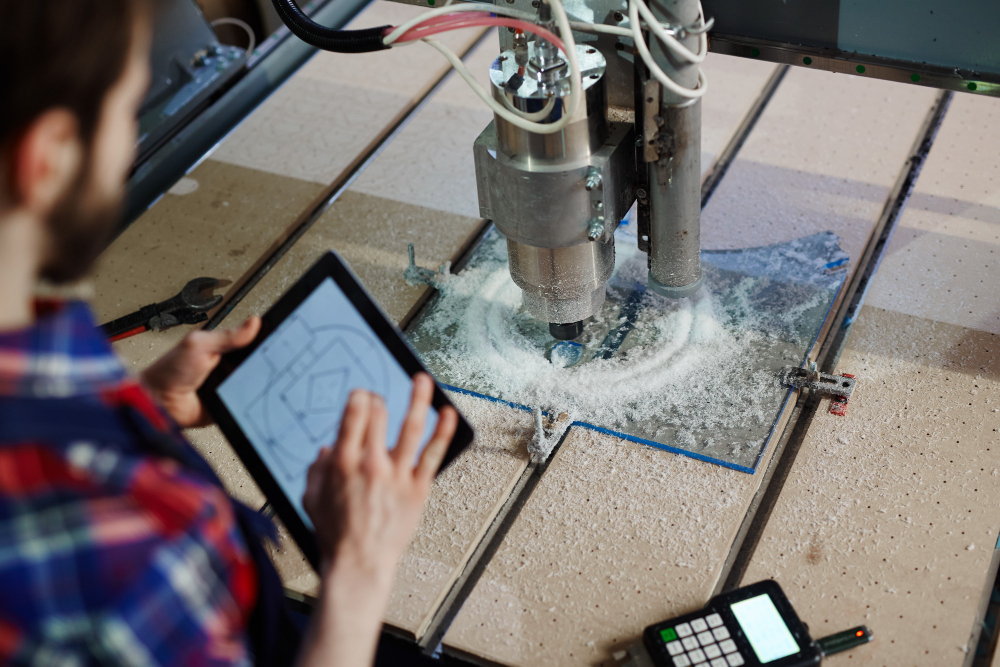
High-speed machining represents a cutting-edge revolution in contemporary manufacturing. It stands a...

Maintaining sustainable railway tracks is crucial for our environment and economy. However, it comes...

Doing business is basically to the act of exchanging goods or services for money or other compensati...