The ongoing digital transformation is profoundly reshaping the dynamics of the modern workforce, particularly in the realm of leadership and management. As organizations increasingly adopt advanced technologies, such as artificial intelligence, automation, and data analytics, leaders and managers are faced with the challenge of adapting their styles to ensure the success of these changes. This study explores the impact of digital transformation on leadership and management approaches, emphasizing the need for agility, innovation, and emotional intelligence. It examines how leaders are shifting from traditional hierarchical models to more collaborative, inclusive, and flexible styles in response to the demands of a digitally enabled workforce. Additionally, the research highlights the crucial role of digital literacy and strategic foresight in leadership development, ensuring that leaders can navigate technological disruptions and foster a culture of continuous learning and adaptation. The findings suggest that successful leaders in the digital age are those who can balance technological expertise with human-centered leadership qualities, creating environments that promote creativity, engagement, and overall workforce performance.

The current study intention is discovering Deep Intelligent Networks incorporating Reinforcement Lea...

The IoT-based Electrical Vehicle Battery and Fire Protection Management System work focuses on devel...

STHE play a crucial role in facilitating efficient heat transfer between fluids in diverse industria...
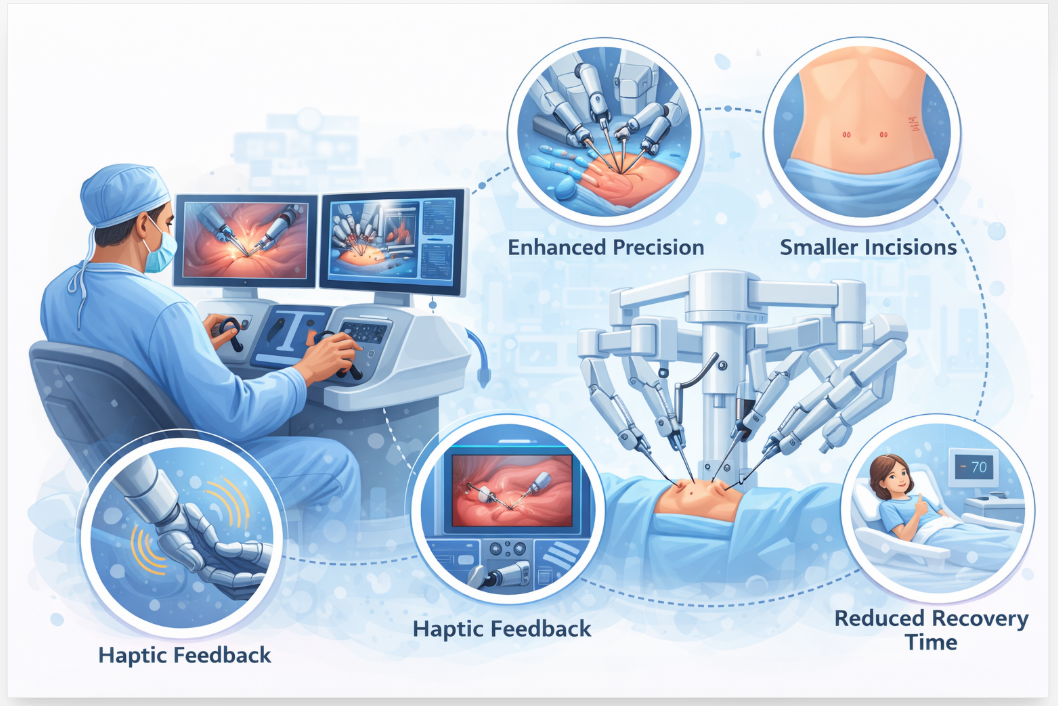
The many aspects of robotic-assisted minimally invasive surgery (RAMIS) and associated technologies ...