
Water pollution has become a major concern in recent times due to the contamination and pollution of drinking water. The ecosystem's life cycle may be impacted by the diseases that contaminated water might spread to people and animals. Early detection of water contamination allows for the implementation of appropriate controls and the avoidance of dangerous circumstances. Real time monitoring of the water's quality is necessary to ensure a supply of pure water. As sensors, communication, and the Internet of Things (IoT) continue to advance, smart solutions for monitoring water contamination are becoming more and more important. This study presents a thorough analysis of the most recent efforts undertaken in the field of smart water pollution monitoring systems. The idea suggests an inexpensive and effective Internet of Things (IoT)-based hydrological monitoring system that continuously tracks the quality indicators. Water samples are used to evaluate the constructed model, and the parameters are sent to the cloud server for additional processing.

A switching bi-directional buck-boost converter (SBBBC) has been proposed for integration into a veh...

Knee Osteoarthritis (KOA), commonly referred to as degenerative joint disease of the knee, is usuall...
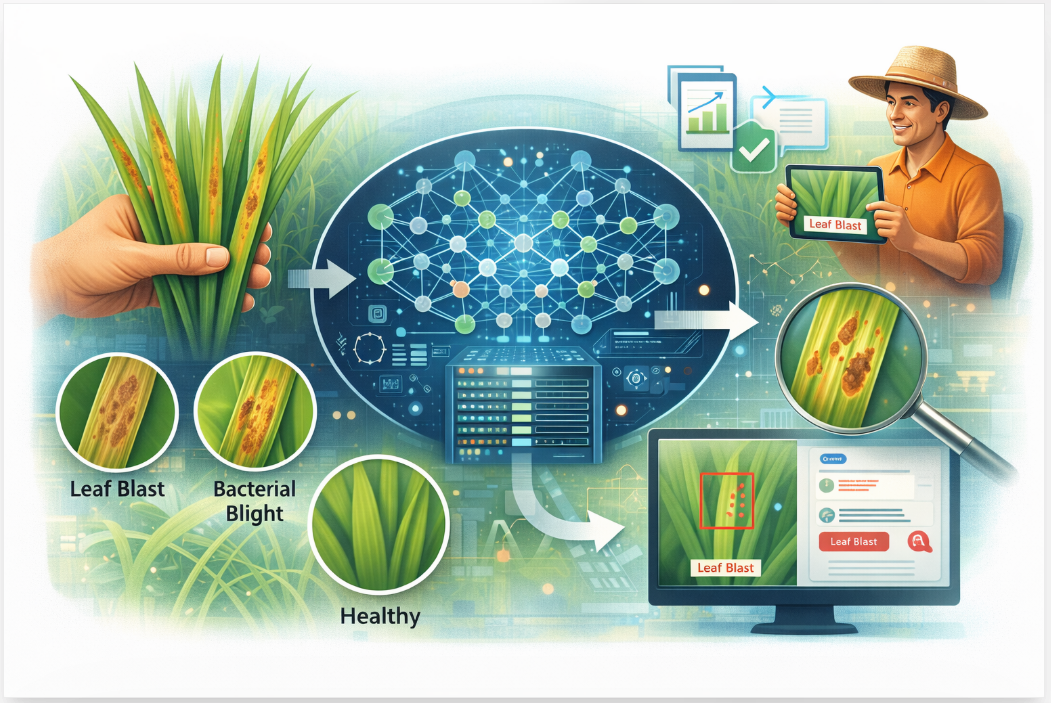
The economic development of any country mainly depends on agriculture. Rice is a staple crop and a s...

The abstract outlines the concept and purpose of a Mental Health Assistant Chatbot, employing advanc...